Learn About Us
Our ground-breaking partnership builds in youth and civil society leadership at all levels.
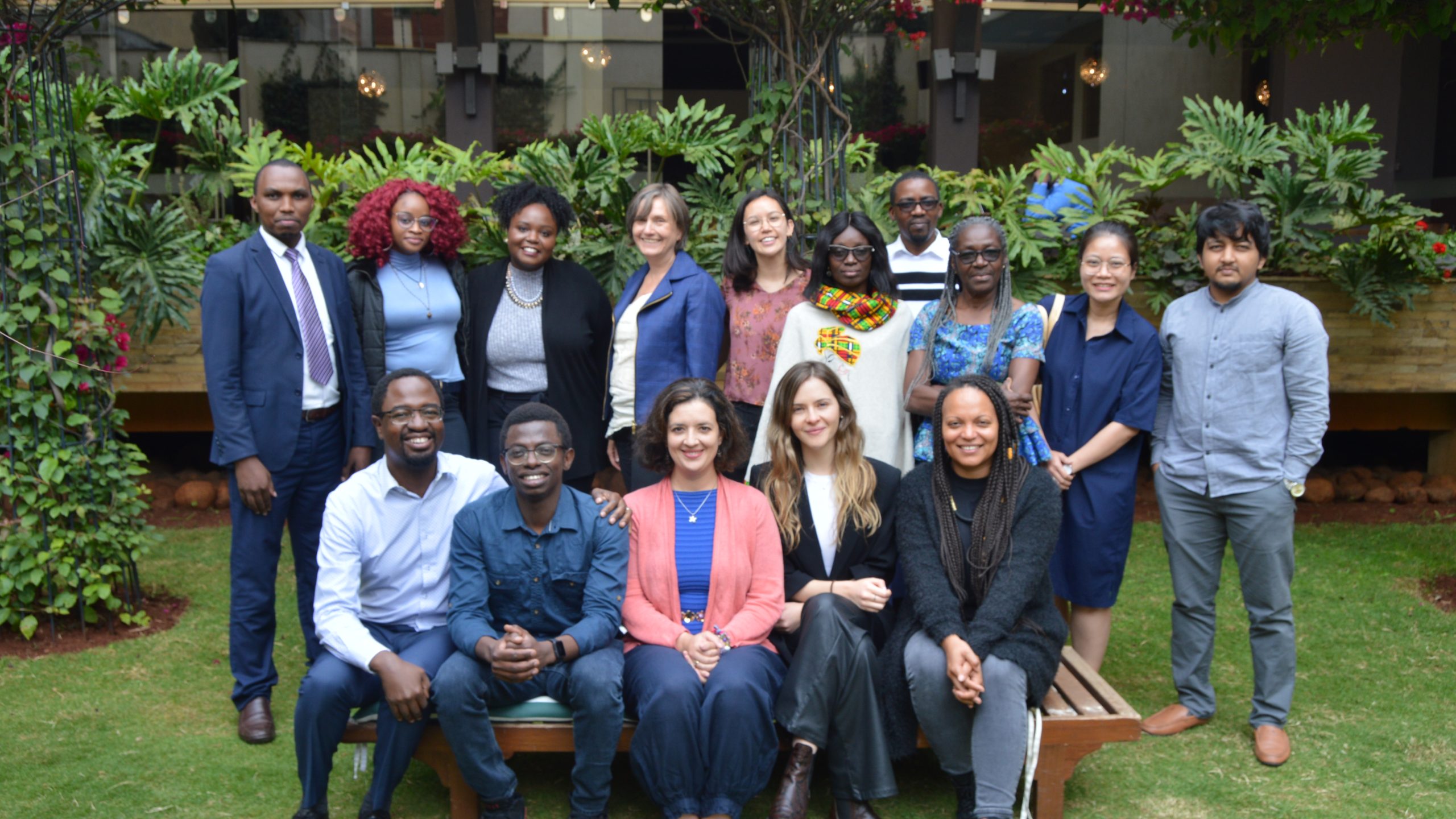
Together with diverse young adults, we use participatory action research to build evidence and shape the future of human rights in the digital age.
Our ground-breaking partnership builds in youth and civil society leadership at all levels.
Insights from our work in Colombia, Ghana, Kenya, Vietnam and globally.
Your gateway to online courses, manuals and toolkits on your digital human rights.
Discover webinars and videos that inspire, educate, and drive action for meaningful change.
Grounded in the lived experiences of over 300 young adults in four countries, our new participatory action research report highlights the real costs marginalised young people face when seeking health information online.
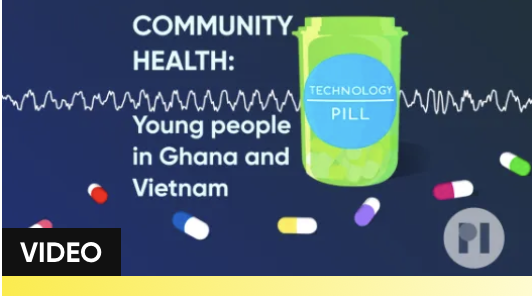
Privacy International's popular Technology Pill podcast featured a series of interviews with young researchers from our project in Colombia, Ghana, Kenya and Vietnam.

Peggy Hicks, Director of the Thematic and Special Procedures Division of the UN Office of the High Commissioner for Human Rights delivered this important keynote address on human rights and digital health for DHRP's unofficial side event for World Health Assembly 79

This research brief shares findings from a study with 50 young adults and civil society leaders from Colombia, Ghana, Kenya and Vietnam who advocated for digital rights in local, national, regional and global consultations to explore what they experienced as meaningful in their participation.

This brief draws on a review of human rights standards and peer-reviewed studies of digital health strategies
to recommend steps to wire human rights into digital health by design: Set clear objectives to spur action to address human rights harms; Build on existing UN human rights standards
and platforms; and Promote greater accountability, including meaningful participation of young people and civil society in digital health governance.
Global Network of People Living with HIV (GNP+)
KELIN

Privacy International (PI)
Restless Development

STOPAIDS

Universidad de los Andes
University of Warwick (host)

Fundación Karisma